Unlocking the Healing Secrets of Parsley
- maktraveller
- Mar 2
- 3 min read
Parsley is more than just a garnish on your plate. For home health enthusiasts, this humble herb offers a surprising range of healing properties that come from every part of the plant — the root, stem, leaves, and even the oil. Whether you grow parsley in your garden or pick it up fresh from the market, understanding how to use each part can add natural wellness benefits to your daily routine.
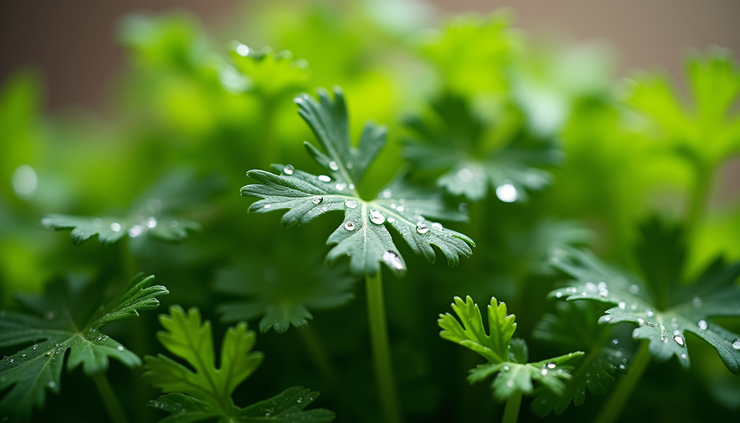
Healing Benefits of Parsley Roots
Parsley root is often overlooked but holds powerful health benefits. It has a slightly sweet, earthy flavor and can be used like other root vegetables. Traditionally, parsley root has been used to support kidney function and promote detoxification.
Supports kidney health: Parsley root acts as a natural diuretic, helping the body flush out excess fluids and toxins. This can reduce bloating and support urinary tract health.
Rich in antioxidants: The root contains compounds that fight free radicals, which can reduce inflammation and protect cells from damage.
Digestive aid: Parsley root can soothe the digestive tract and stimulate appetite, making it useful for people with mild digestive discomfort.
You can add parsley root to soups, stews, or roast it alongside other root vegetables. It’s a gentle way to introduce its healing properties into your meals.
The Role of Parsley Stems in Wellness
While many people discard parsley stems, they contain valuable nutrients and healing compounds. The stems have a slightly stronger flavor than the leaves and are packed with fiber.
High in fiber: Parsley stems support digestion by promoting healthy bowel movements and feeding beneficial gut bacteria.
Anti-inflammatory effects: The stems contain flavonoids and volatile oils that may help reduce inflammation in the body.
Vitamin boost: They provide vitamins A, C, and K, which support immune function, skin health, and blood clotting.
Try blending parsley stems into smoothies or finely chopping them into salads and sauces. Using the stems reduces waste and maximizes the herb’s health benefits.

Why Parsley Leaves Are a Nutrient Powerhouse
Parsley leaves are the most commonly used part of the plant and for good reason. They are loaded with vitamins, minerals, and antioxidants that support overall health.
Rich in vitamin C: Parsley leaves provide a strong dose of vitamin C, which boosts the immune system and helps the body fight infections.
Contains vitamin K: This vitamin is essential for bone health and proper blood clotting.
Antioxidant properties: Parsley leaves contain flavonoids like apigenin, which may protect cells from oxidative stress.
Fresh breath and digestion: Chewing parsley leaves can freshen breath and aid digestion thanks to their natural oils.
Add fresh parsley leaves to salads, soups, or use them as a garnish. They brighten dishes and add a healthful punch.
The Healing Power of Parsley Oil
Parsley essential oil is extracted from the leaves and seeds and offers concentrated healing benefits. It’s important to use parsley oil carefully and dilute it properly before applying to the skin or using aromatically.
Antimicrobial effects: Parsley oil has been shown to fight certain bacteria and fungi, making it useful for skin care.
Anti-inflammatory: Applying diluted parsley oil may reduce skin inflammation and soothe irritation.
Supports digestion: Aromatherapy with parsley oil can help relieve digestive discomfort and bloating.
Rich in antioxidants: The oil contains compounds that protect cells and support overall wellness.
Use parsley oil in a diffuser or mix a few drops with a carrier oil for topical use. Always do a patch test first to avoid skin sensitivity.
Practical Tips for Using Parsley for Health
Grow your own: Parsley is easy to grow indoors or outdoors, giving you fresh access to all parts of the plant.
Use the whole plant: Don’t throw away stems or roots. Incorporate them into meals or teas to get the full range of benefits.
Make parsley tea: Steep chopped roots, stems, or leaves in hot water for a detoxifying and soothing drink.
Try parsley oil safely: Use only high-quality, food-grade parsley oil and dilute it before use.
Parsley is a versatile herb that fits well into many home health routines. Its healing properties come from every part of the plant, making it a valuable addition to your natural wellness toolkit.
Parsley’s healing potential is easy to tap into with simple kitchen and home remedies. By using the roots, stems, leaves, and oil, you can enjoy a natural boost to your health every day. Start experimenting with parsley in your meals and self-care rituals to discover its benefits firsthand.


Comments