Why You Should Start Eating Olives and Olive Oil for a Healthier Life
- maktraveller
- Mar 16
- 3 min read
Olives and olive oil have been staples in Mediterranean diets for centuries, and for good reason. These humble fruits and their oil offer a range of health benefits that go beyond just taste. Whether you enjoy olives as a snack or use olive oil in your cooking, incorporating them into your diet can support your overall well-being in surprising ways. Let’s explore why olives, olive oil, and even the olive tree itself deserve a spot in your daily routine.
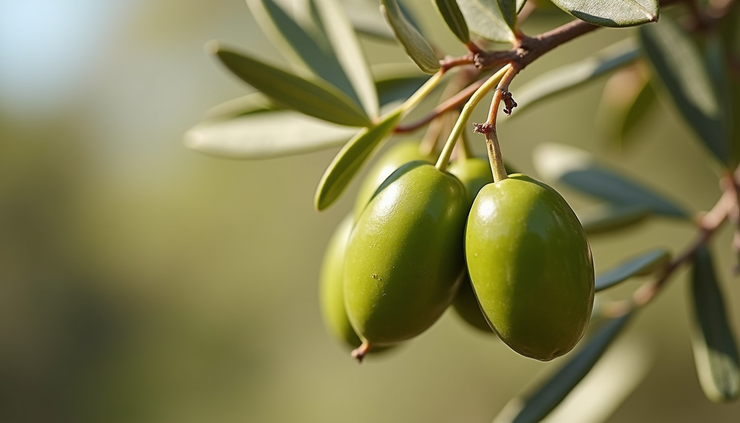
Nutritional Powerhouse in a Small Package
Olives are packed with nutrients despite their small size. They contain healthy fats, mainly monounsaturated fats, which are linked to heart health. These fats help reduce bad cholesterol levels and increase good cholesterol, lowering the risk of heart disease. Olives also provide vitamin E, an antioxidant that protects cells from damage, and iron, which supports energy and immune function.
Olive oil, especially extra virgin olive oil, retains many of these nutrients and antioxidants because it is minimally processed. It contains polyphenols, compounds that have anti-inflammatory and antioxidant properties. These compounds may help reduce the risk of chronic diseases such as diabetes and certain cancers.
Heart Health Benefits
One of the most well-known benefits of olives and olive oil is their positive effect on heart health. Research shows that diets rich in olive oil can lower blood pressure and improve the function of blood vessels. The Mediterranean diet, which emphasizes olive oil, has been associated with a lower incidence of heart attacks and strokes.
Using olive oil instead of butter or other saturated fats can make a big difference. For example, cooking vegetables or salads with olive oil adds flavor and heart-healthy fats without the harmful effects of trans fats or excessive saturated fats.
Skin and Hair Care from Nature
Olive oil is not just for eating; it’s also a natural beauty booster. Applying olive oil topically can moisturize dry skin and soothe irritation. Its antioxidant content helps protect the skin from premature aging caused by free radicals. Many people use olive oil as a gentle makeup remover or as a base for homemade scrubs.
For hair, olive oil can add shine and reduce frizz. Massaging a small amount into the scalp may improve scalp health and reduce dandruff. These topical uses make olive oil a versatile product that supports beauty from the outside as well as the inside.

Olive Tree Benefits Beyond Food
The olive tree itself offers environmental and cultural benefits. Olive trees are hardy and drought-resistant, making them a sustainable crop in dry regions. Their deep roots help prevent soil erosion, and the trees can live for hundreds of years, symbolizing peace and endurance in many cultures.
In some communities, olive leaves are used to make teas or extracts believed to support immune health. While more research is needed, these traditional uses highlight the olive tree’s role beyond just producing olives and oil.
How to Incorporate Olives and Olive Oil into Your Diet
Adding olives and olive oil to your meals is easy and delicious. Here are some practical ideas:
Snack on a handful of olives as a savory treat.
Drizzle extra virgin olive oil over salads, grilled vegetables, or pasta.
Use olive oil as a base for homemade salad dressings or marinades.
Replace butter with olive oil when sautéing or roasting foods.
Add chopped olives to sandwiches, pizzas, or Mediterranean dishes for extra flavor.
Choosing high-quality extra virgin olive oil ensures you get the most health benefits and the best taste. Store olive oil in a cool, dark place to keep it fresh longer.
What to Watch Out For
While olives and olive oil are healthy, they can be high in calories, so moderation is key. Also, some olives are cured with a lot of salt, which can increase sodium intake. Look for low-sodium options if you are watching your salt consumption.
When buying olive oil, avoid products labeled simply as “olive oil” without the “extra virgin” designation, as these may be more processed and contain fewer nutrients.
Final Thoughts on Embracing Olives and Olive Oil
Olives and olive oil offer a natural way to support heart health, nourish your skin, and add rich flavor to your meals. Their benefits extend beyond nutrition to cultural and environmental value through the olive tree. By making these foods a regular part of your diet, you can enjoy a simple, tasty path to better health.
Try swapping out less healthy fats for olive oil in your cooking or adding olives to your snacks. Your heart, skin, and taste buds will thank you. Start small and explore the many ways olives and olive oil can enhance your life today.


Comments